
Research & Innovation
Research projects linked to ESEAN
Many of our research projects arise from the needs we encounter in our professional environment, which is ESEAN. This health facility for children and adolescents in the Pays Nantais region has been part ofAPF France handicap since 2017.
With no funds of its own to carry out projects, SYNAPSE is often the initiator and catalyst for bidding on institutional tenders.
The key areas of our research
The research projects supported by the Synapse association cover a wide range of fields: research into new medical devices, nutrition, microbiota, locomotion… SYNAPSE promotes the implementation of transdisciplinary, transgenerational and specific care solutions.
Fields of action
Medical devices
Nutrition and microbiota
Neurology and locomotion
Hyperbaric chamber
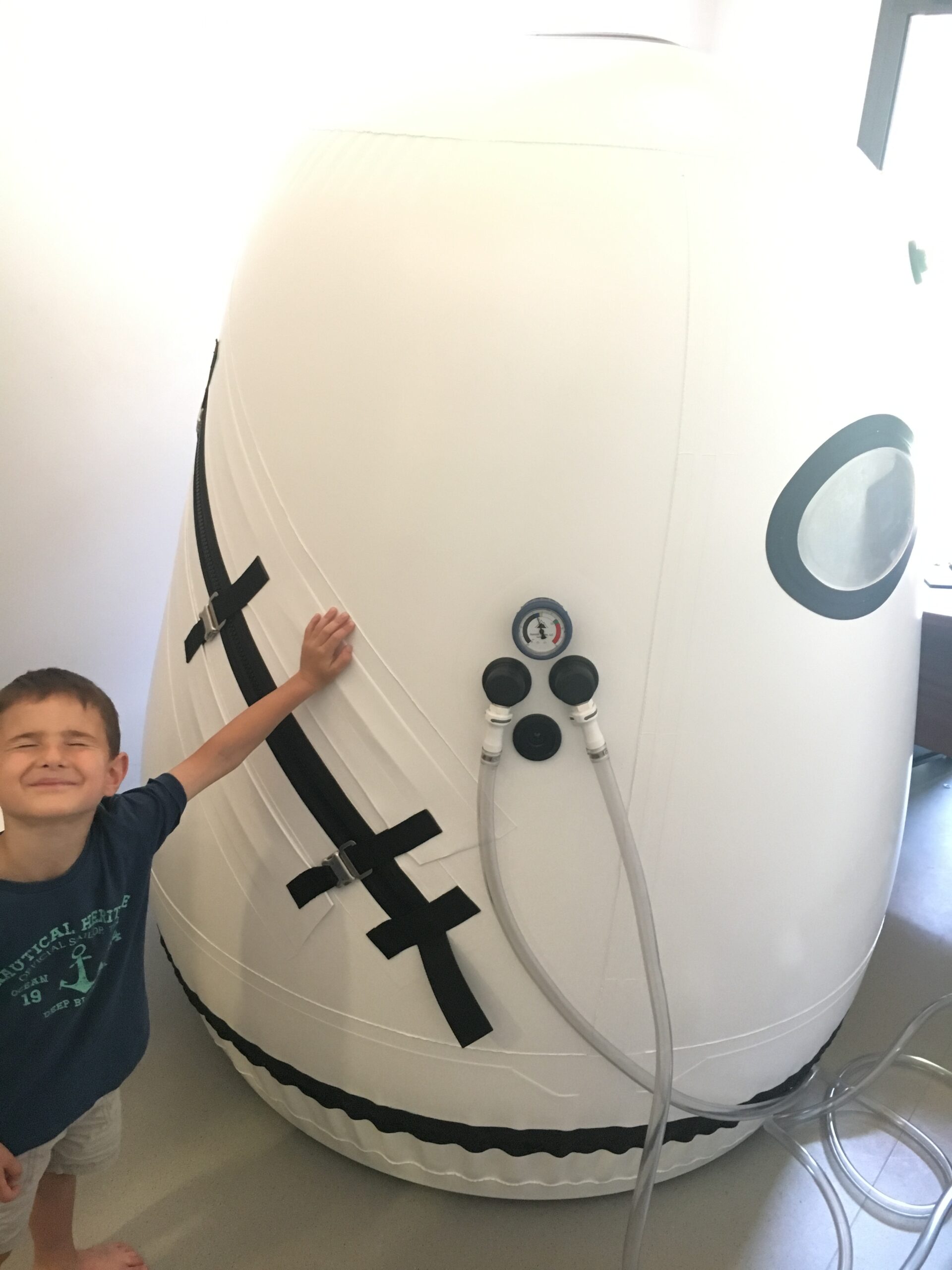
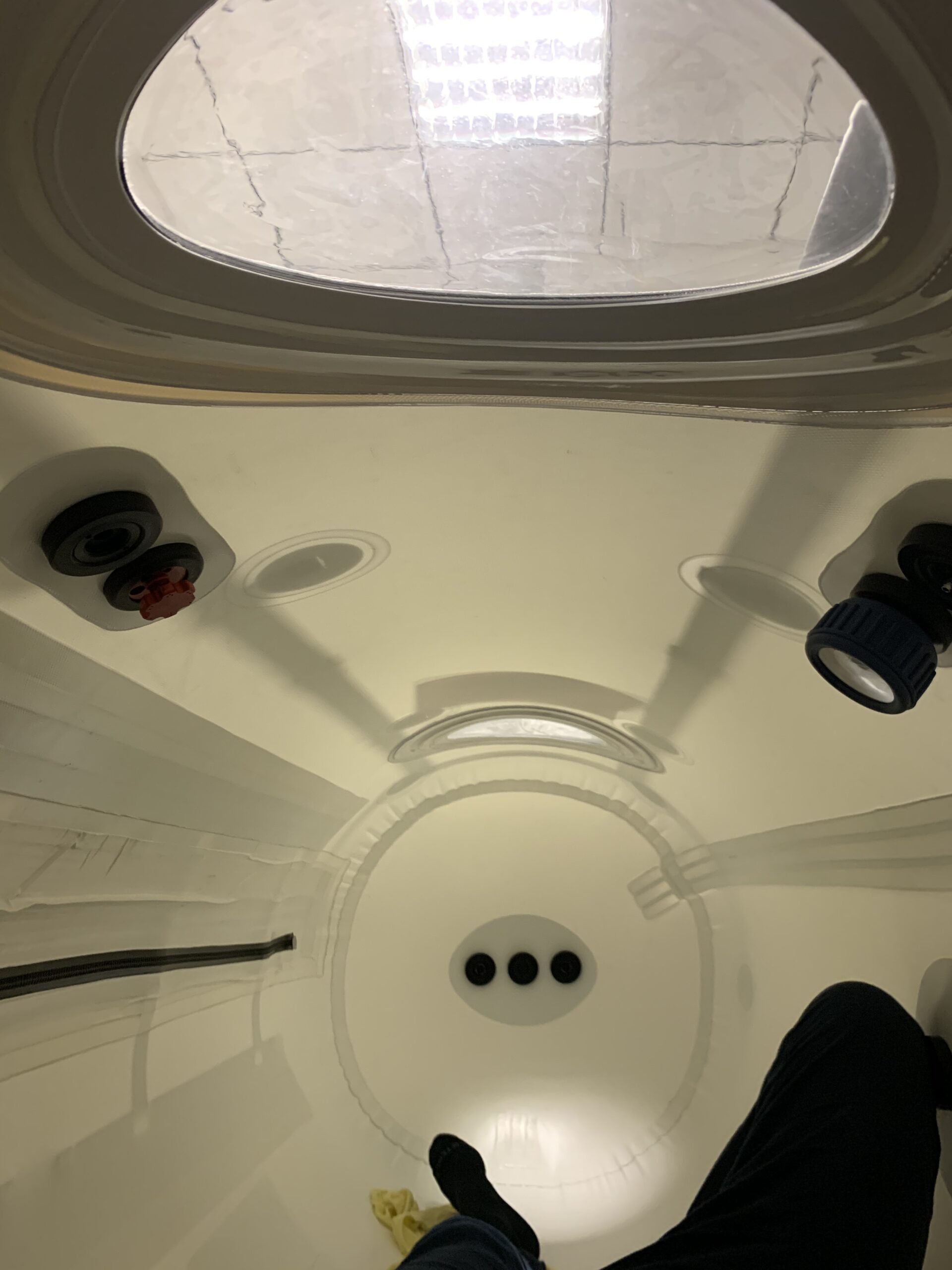
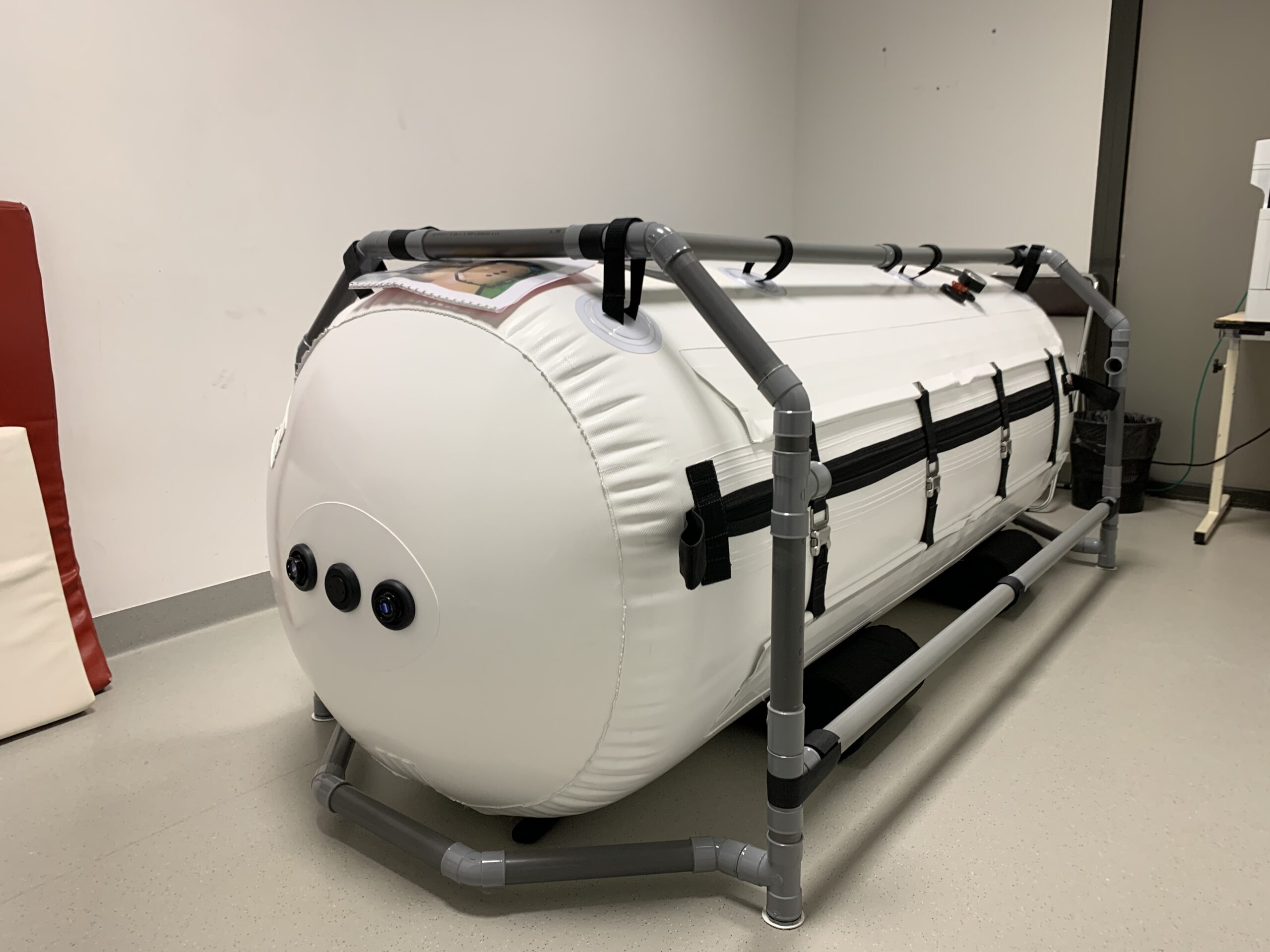
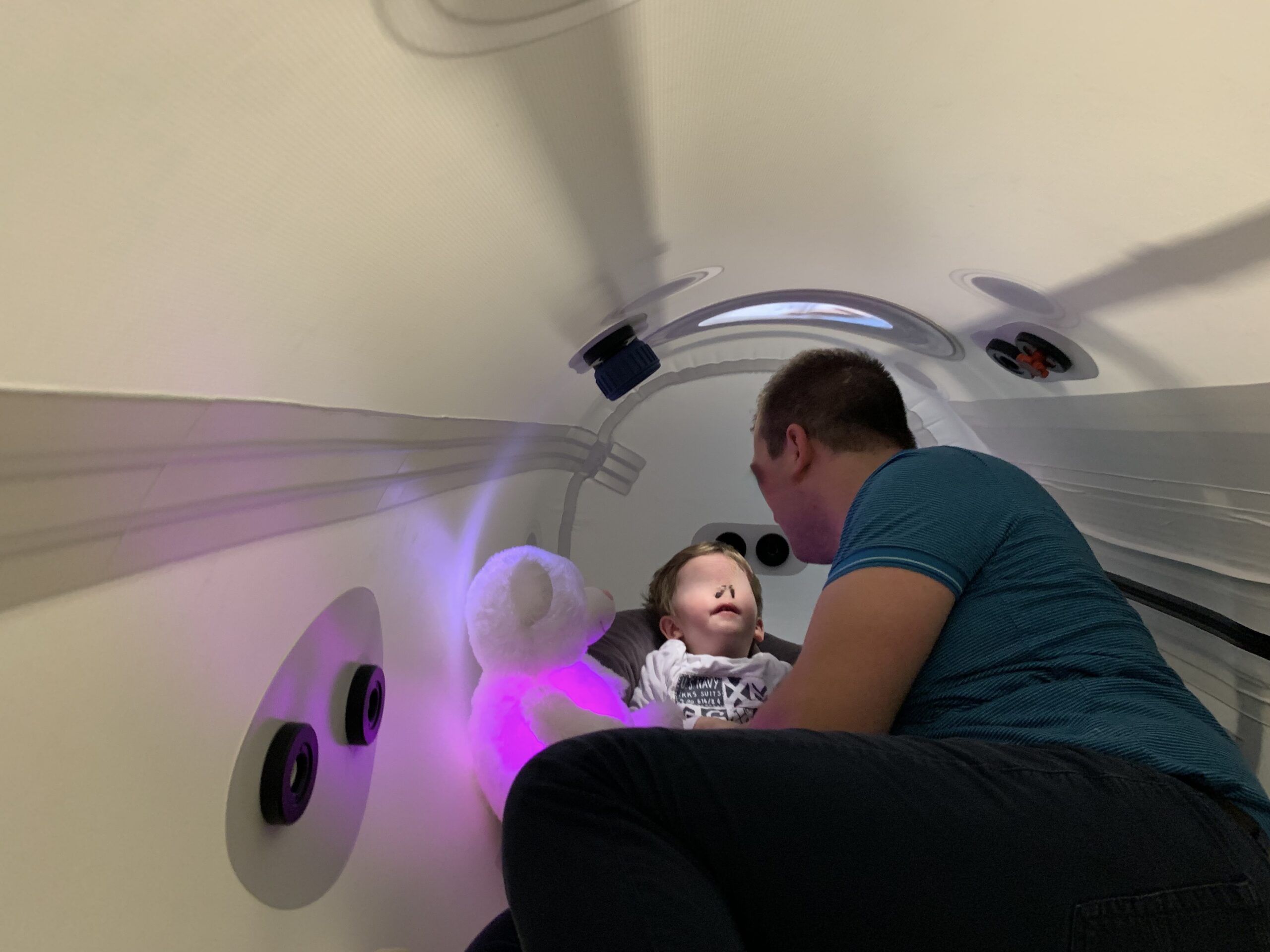
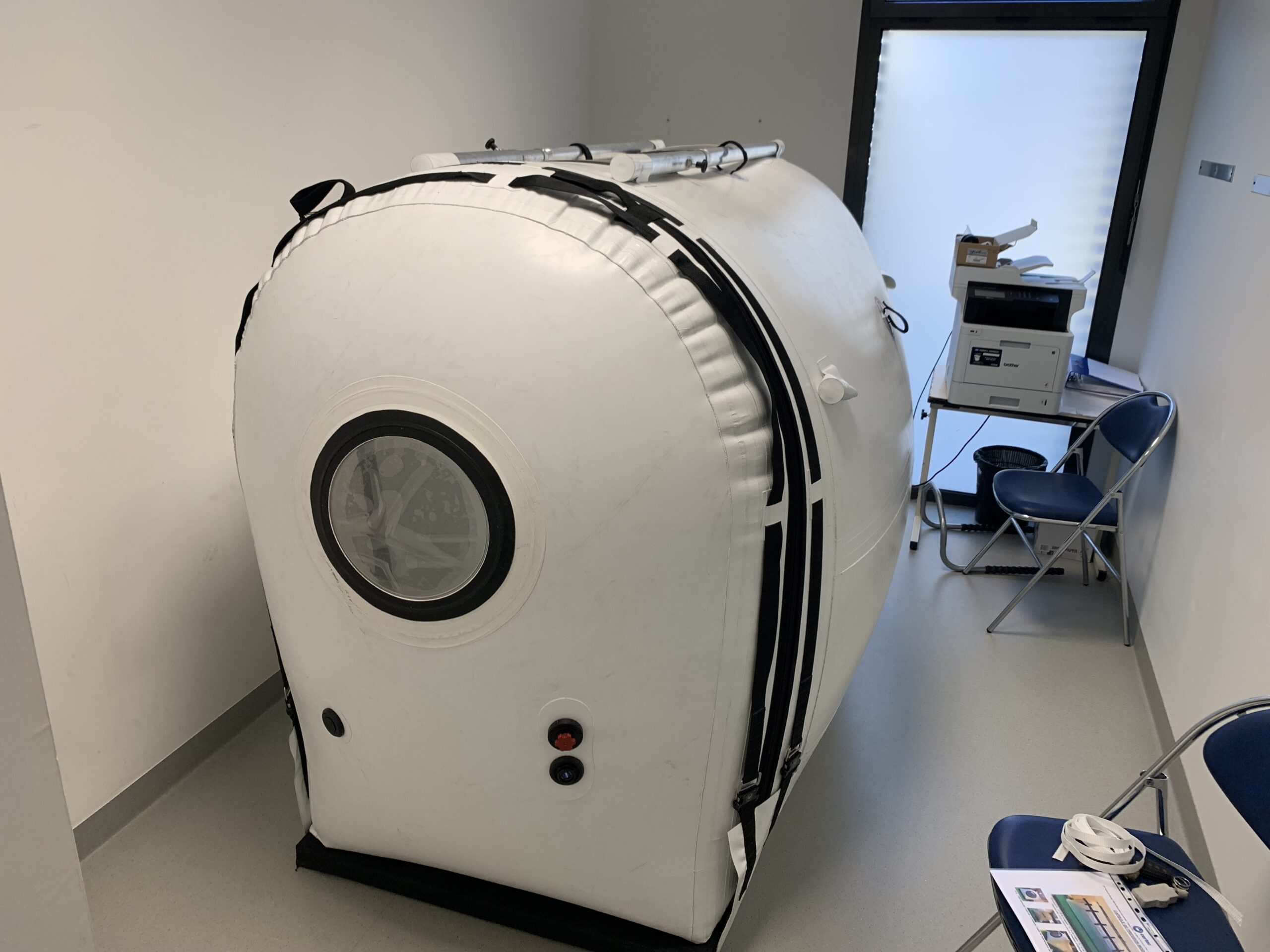
The hyperpressure chamber is a sealed medical-technical facility in which one or more patients can be exposed to a pressure higher than atmospheric pressure. Among other things, this increases tissue oxygenation.
What is hyperbaric oxygenation?
The hyperpressure chamber
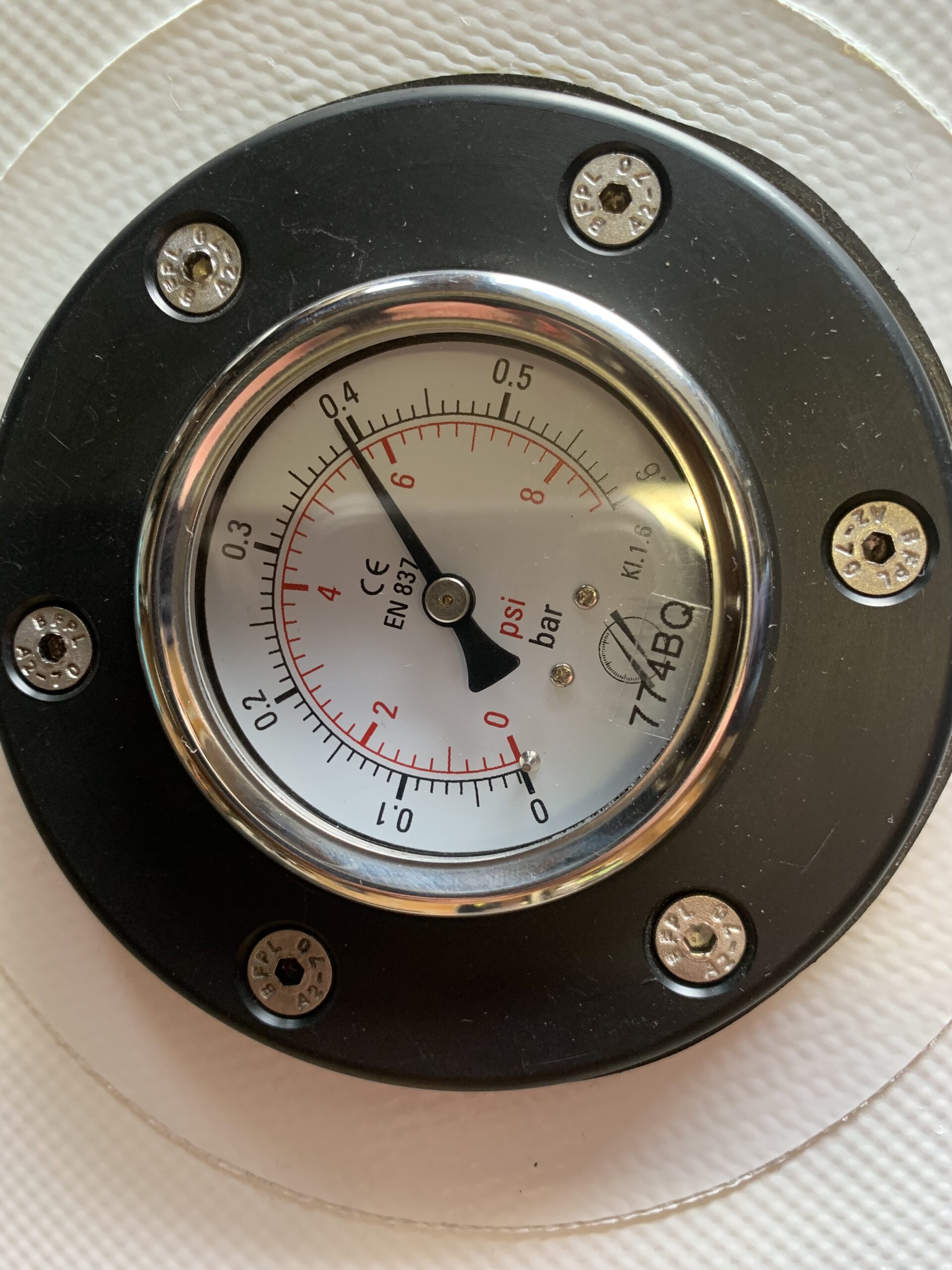
Commonly referred to as a hyperbaric chamber, this is a hermetically sealed chamber in which the pressure is raised to increase the partial pressure of free oxygen. In simple terms, it’s like breathing air enriched with oxygen from 20% to 28%. This corresponds to the pressure increase as if you were diving to a depth of 3 m, i.e. at 1.3 bar or 1.3 ATA (ATA = absolute atmosphere; 1 bar or 1 ATA = atmospheric pressure at sea level).
Stimulating the body’s repair genes
There is an oxygen effect with the qualitative and quantitative use of bioavailable oxygen, as well as a pressure effect that generates the expression of over 8,000 genes, many of which have been identified as pro-repair, anti-inflammatory (Godman, Joshi, et al. 2010; Godman, Chheda, et al. 2010)[…].
Controlled safety conditions
This is not a hyperbaric chamber in the strict sense of the term, where pressures are in excess of 1.5 ATA, and even much higher, with oxygen levels approaching 100%, which have other properties.
So you’re in perfectly controlled safety conditions, with no risk of decompression accidents or hyperoxic crises.
The effects of hyperbaric oxygenation under study
The effects sought are different from those that can be obtained in hyperbaric chambers in hyperbaric medicine departments, which have scientifically proven properties, or at least a sufficient level of proof that is regularly updated by the relevant learned societies such as the EUBS.
The aim of SYNAPSE’s research action around hyperbaric issues is to provide a safe study environment for the regeneration of tissue areas (MacLaughlin et al. 2019; 2023; Balestra et al. 2022), particularly the brain, still in pain or quiescence, following central neurological injury. With these stimuli, it is hoped that the central nervous system will function better and more efficiently.
This is the subject of much debate in the scientific literature, with some facts proven and others equally controversial.
It is therefore essential to continue this research, in order to provide doctors and patients with the best possible knowledge of how to make the best use of this simple, well-tolerated and effective tool, provided we have the means to properly assess its effects.
What are the supposed benefits of hyperbaric oxygen therapy?
The effects are probably numerous, but far from all tested and recognized.
Proven effects on brain function
Our aim is to study and follow up people with brain damage, children and adults with the equivalent of stroke sequelae, accidents around birth such as lack of oxygen to the brain, or following head trauma. Neurological lesions can be multiple, and people suffering from these ailments also have many reasons to respond differently to this treatment, which we can qualify as adjuvant, not to mention all the other therapies that exist and which are qualified as conventional, with equally variable levels of evidence.
A recent literature review – i.e. a review of many scientific studies of proposed treatments for what is known as cerebral palsy in children – shows that the use of this pressurized air, without the addition of supplementary oxygen, offers astonishingly favorable results, even superior to so-called conventional therapies. (Marois P, Letellier G, Marois M and Ballaz L 2024)
We believe that hyperbaric therapy can help and enhance rehabilitation, but not replace it. Here again, many questions are raised about the protocol itself: duration, frequency, pressure level… It is only through the study of its parameters and with the right controls that robust evidence can be put forward.
A broader field of action for athletes and astonauts
The SYNAPSE adventure focuses not only on patients suffering from these neurological disorders, but also on athletes, and even offers a “countermeasure” for astronauts!
A countermeasure is a possible treatment to prevent damage in microgravity space, for example, and injury from exposure to ionizing radiation on future space missions.
Basic research studies are underway, and we’re happy to make a modest contribution to these experiments.
Indeed, what will be beneficial to explorers and extreme workers will also be beneficial to us on planet Earth, with perhaps even the initiator of this project: the child in a vulnerable situation.
Boldness and pugnacity.
Hyperbaric oxygen therapy: what are the risks? What are the contraindications?
Risk management
There is no expected risk at these pressures and with the proposed oxygen levels. Regardless of the duration of exposure. Nevertheless, depending on the protocol, sessions lasting around an hour are proposed, repeated either every day or every two or three days. Once again, the protocols are underpinned by a number of hypotheses, which can be discussed in detail with specialized doctors or practitioners.
Contraindications
One contraindication, however, is claustrophobia – since it involves entering an enclosed space, even though most hyperpressure chambers have portholes. Ear pain has also been reported in cases of otitis or sinusitis.
Air renewal is continuous thanks to overpressure valves, and there’s no risk of the chamber exploding.
Where to test hyperbaric oxygenation? How much does it cost?
Comfort use of the hyperbaric chamber
That’s the tricky part of writing these lines. There are a few centers in France or elsewhere in the world, more in the form of private clinics, with a few of these so-called comfort hyperpressure chambers or hyperbaric chambers which, when used properly, do not present any additional risks, but one of their aims is understandably commercial. The addition of oxygen via a compressor is often proposed, but this use has not been shown to be more effective (Mukherjee et al. 2014; Collet et al. 2001). However, their activity is relatively discreet and not very popular, precisely because there is currently no scientific consensus.
The cost of a hyperbaric chamber
These chambers can also be used at home, but in this case a device must be purchased. Here too, there are vendors all over the world, with incredible price variability (from 7000 to >50000€ – and for the same result: a sealed chamber with a pressure level <1.4 ATA), but the guarantee of a dedicated medical consultation is rarely met, and explanations rarely go to any level of proof.
Beware of the carbon footprint, which depends on where the buyer lives, plus customs duties, etc.
We don’t want to denigrate these practices, since we believe there is a real interest in them, but our primary objective is to prove them so that they are affordable and universally used, once the research has been carried out and the scientific and medical community is convinced of their value.
This is the painful reality of our world: to prove it, you need studies that cost a lot of money, and there’s an inertia in the process of applying for academic funding that’s hard to accept, so we turn to private funding, but here too it’s complicated – hence this appeal: donate to a reliable, general-interest organization: SYNAPSE, and when the sum is collected: the institutional machine with a university center promoting research can finally get underway with the necessary rigor and ethics.
Exoskeleton, robotic arm
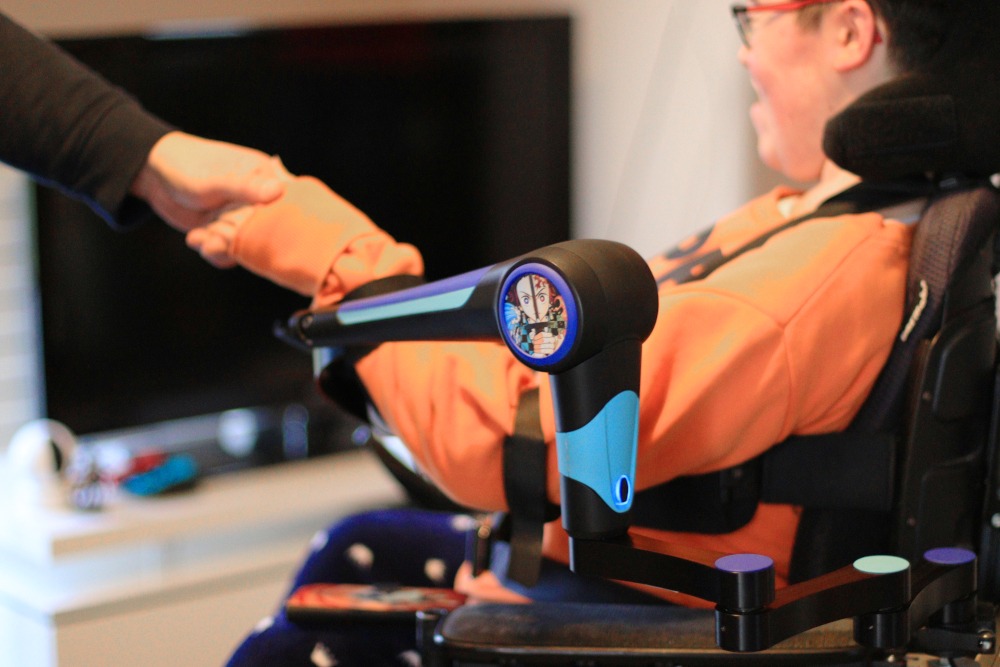
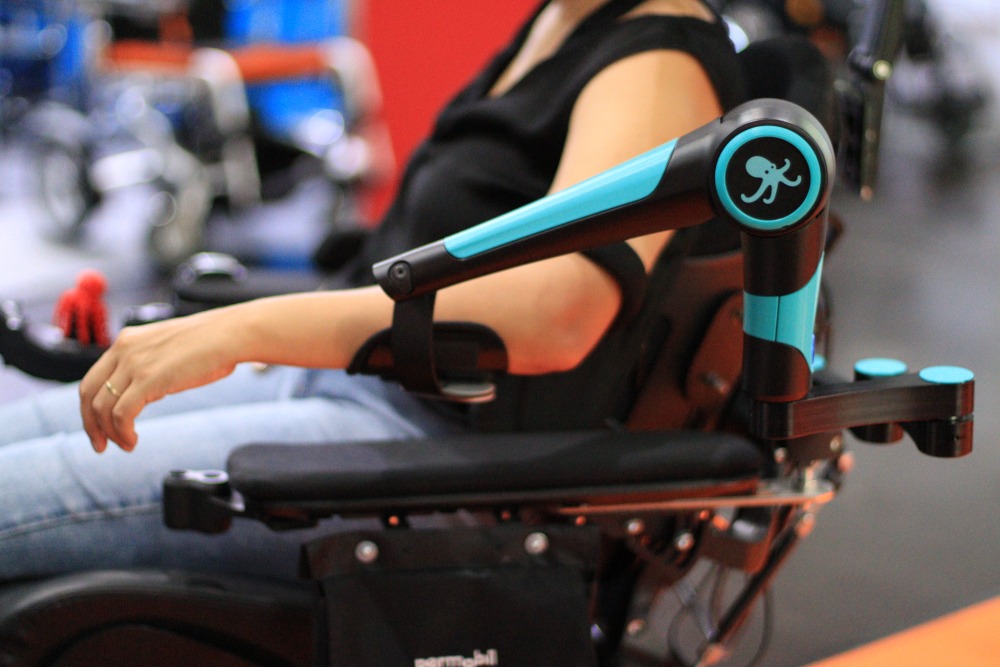
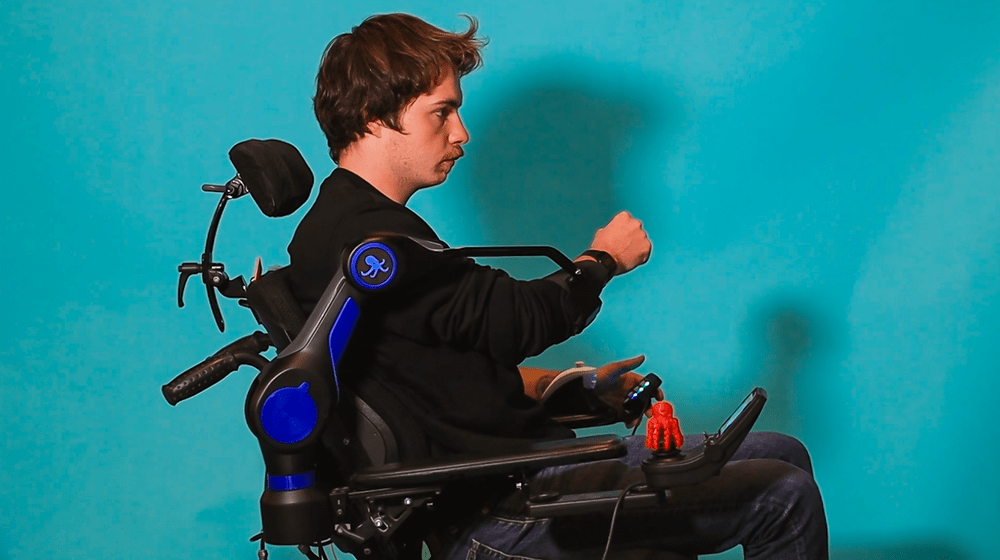
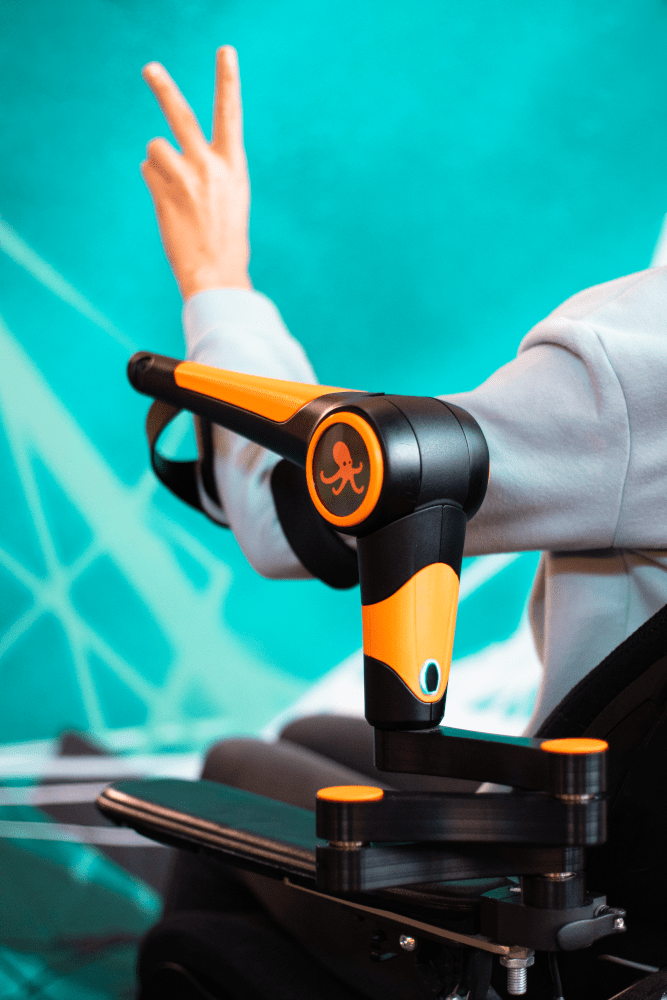
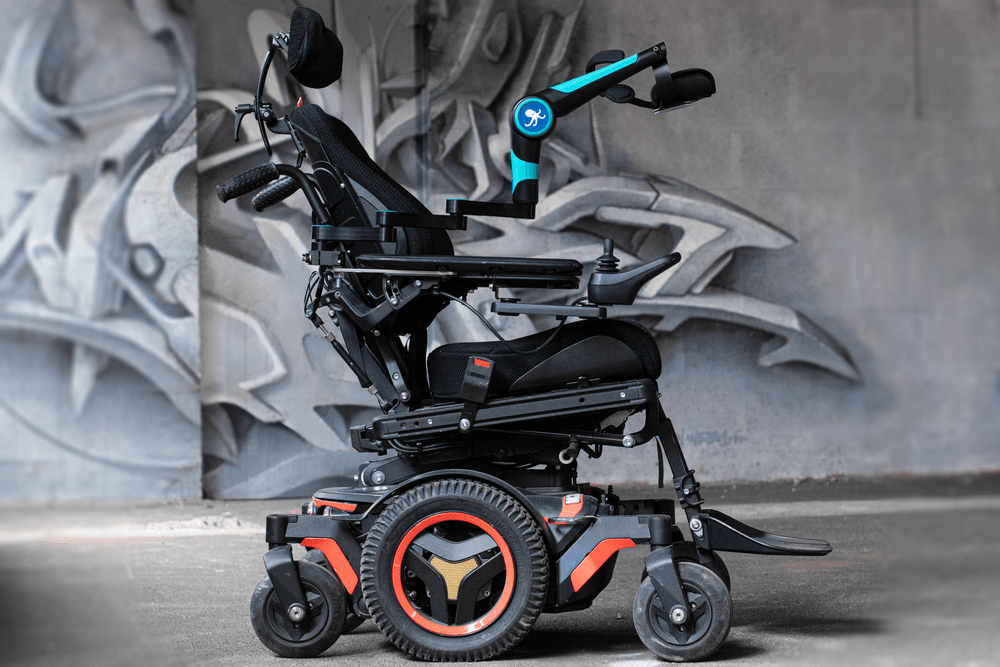
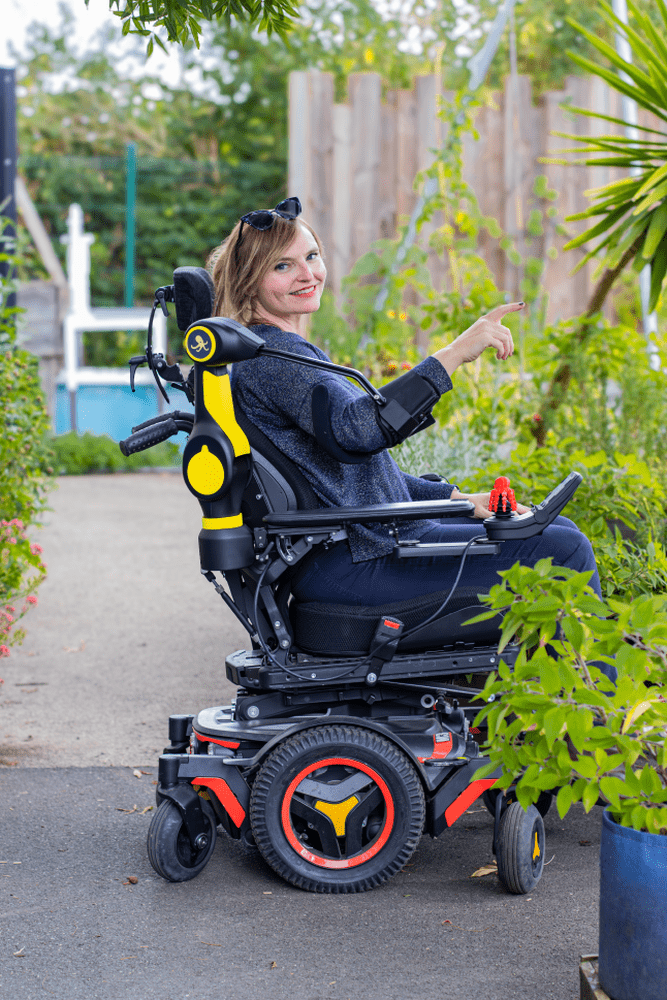
An exoskeleton is an external, articulated mechanical structure, motorized or not, designed to be worn by a person, in the manner of an external prosthesis, to enable him to interact with his environment, within the limits of his articular capacities.
The origins of the motorized arm research project
A meeting with a little girl at the end of 2016, who wanted to “hug her mommy with her arms”, gave rise to the idea of a technical aid to enable her to move her arms, which were then too weak due to her illness.
Improving the independence of people with disabilities
Neuromuscular disease, the after-effects of strokes before, during or after childbirth: physical conditions that affect children and adults alike. Solutions sometimes exist, but at variable and very expensive costs.
At ESEAN-APF, our benchmark facility in the Loire Atlantique region, SYNAPSE has battled from partnership to partnership to arrive at a methodology for evaluating these technical aids, and co-developed a range of single- and multi-motor arms with a local Nantes start-up, Orthopus.
The aim is to democratize these aids to improve the autonomy of people with disabilities.
From robotic arm prototype to product
It’s been an exciting story from the outset, but one that has taken a lot of energy to develop from prototype to ever more sophisticated product, and we’ve been able to gain the confidence of the institutions involved, since the Hospital Clinical Research Programme has helped to fund part of the forthcoming trial.
Everyday life transformed by the exoskeleton
Our first champion Capucine tried out a first 3D-printed prototype, then it was Pierre’s turn to become a true ambassador of the Supporter arm. To illustrate his new-found independence, he was able to play chess by moving the pawns himself! And beyond the game: scratching his nose, putting his glasses back on, pointing at an object, exploring the space in front of him, etc.
The research project is now focusing on the Partner® arm, which could equip people with even less mobility.
Why invest in this exoskeleton project?
- to validate the principle rigorously and scientifically,
- empower people,
- make the device available to families, with recognition by healthcare authorities and fair reimbursement.
Who do we work with?
- The project initially involved ESEAN-APF and Nantes University Hospital, with the investigating centers in Brest and Anjou and Garches University Hospital.
- Orthopus is in pole position to develop these devices. It’s transparent, open-source and highly responsive, with passionate people!
- Alpha patients and beta testers: a great community.
In the news:
- Orthopus communicates through its networks.
- Communications with AFM-Téléthon (2017) and SFERHE (Société d’étude et de recherche sur les Handicaps de l’Enfance) have been developing over the past few years.
- A paper accepted at the EACD (European Academy of Childhood-onset Disabilities) European Congress took place in May 2024.
However, SYNAPSE is looking for additional funding, as the cost of clinical research is very high. Only a fully-funded project can be submitted to research promotion bodies and meet patient safety requirements.
DPA Med® dynamic traction system
Discovered at the World Congress of Physical Medicine and Rehabilitation in July 2018 in Paris, SYNAPSE immediately saw the potential of this equipment.
It’s the principle of a traction table, but thanks to a motor that holds two ropes, the legs are held in the air and in traction so as to move them from right to left like a sculling movement, creating a lemniscate (a recumbent “8”, or the symbol of infinity). These properties, at a given swing speed, allow osteo-articular relaxation of the knees, pelvis and especially the back.
DPA Med® system testing at ESEAN with Synapse
Pioneers in the experimentation of this system, ESEAN and Synapse have been offering this innovative device since 2019 to a pediatric audience, from around 6 years old (a question of size) to 18 years old.
We use this wonderful invention (from France, near Le Mans) in many different situations.
Some adult centres, including the Bordeaux University Hospital, are equipped for older patients. Top-level sports centers (Real Madrid soccer club, etc.).
Who is this traction system designed for?
- Young (and not-so-young) sufferers of low back pain, chronic lumbago and narrow lumbar canal.
- Patients with gait disorders (neuro-orthopedic sequelae, spasticity, cerebral palsy, post-stroke, etc.).
- Scoliosis and spinal preparation prior to corrective corset or spinal arthrodesis surgery.
- Hypomobile young people, including those with multiple disabilities.
- Physical preparation for reathletization or sports recovery.
By whom?
Le Mans-based Satisform develops and markets this device. It’s smart, it provides a service that no other system can, it puts local ESATs to work, and it’s a profitable position for practices, clinics and hospitals!
Science?
- Publication in 2021 with our team
- Presentation at SFERHE congress (2023)
- 2 theses in general practice (2024)
- Submission of scientific articles (2024)
As is often the case, we’re not reinventing the wheel, but enabling people who are naïve to these treatments and for whom there is sometimes no progress in their care to benefit from them and improve their condition.
As always, we hope to work with other centers on a more ambitious research project to share our discoveries and improve care for patients and professionals alike.